


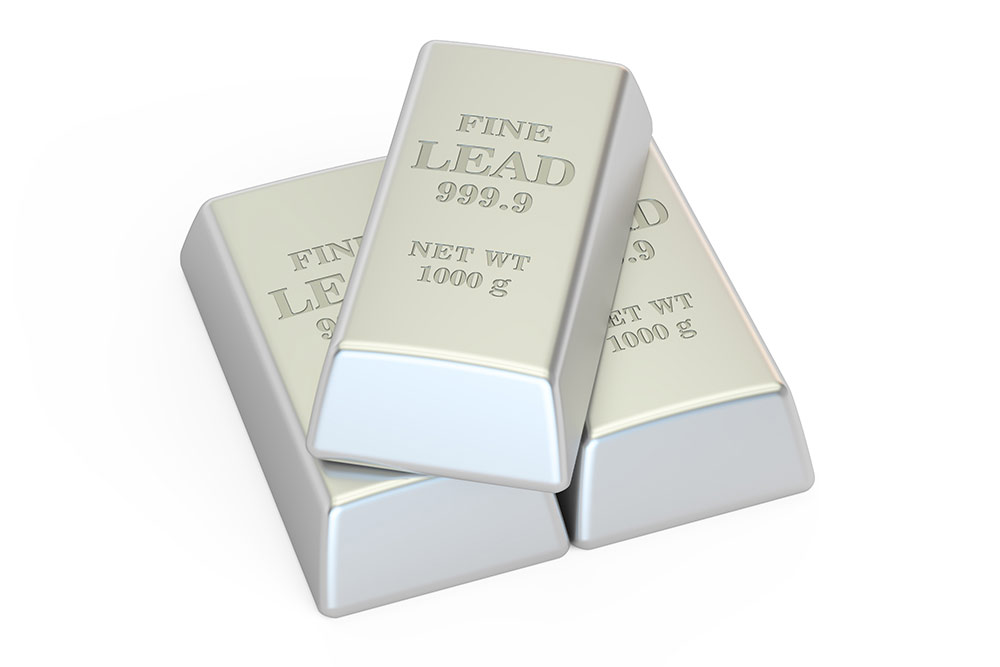
When it comes to protecting people from harmful radiation, especially in environments like medical facilities, nuclear power plants, research labs, or even certain industrial applications, shielding becomes an essential safety measure. One of the most effective materials used for this purpose is lead. Among the various forms of lead used for radiation protection, lead bricks have proven to be a durable and efficient solution.
What Are Lead Bricks?
Lead bricks are precisely molded blocks made from lead or lead alloys designed for use in radiation shielding. These bricks are heavy, dense, and have high atomic numbers, which makes them highly effective at absorbing and blocking various types of radiation, including gamma rays and X-rays.
Lead bricks can come in a variety of sizes and weights, depending on the specific needs of the application. They are often used in situations where large amounts of radiation need to be shielded, such as in hospitals, research facilities, and nuclear industry settings.
Why Are Lead Bricks Used for Radiation Shielding?
Lead has been a go-to material for radiation shielding for many years due to its high density and atomic number. These properties make lead an excellent choice for absorbing high-energy radiation and preventing it from passing through.
Here are a few reasons why lead bricks are particularly effective:
- Density and Atomic Number: Lead has a high density, meaning it has more mass per unit of volume, which allows it to absorb more radiation. It also has a high atomic number (82), which helps in attenuating gamma rays and X-rays more effectively than other materials.
- Ease of Use: Lead bricks can be stacked or arranged to form custom radiation shielding walls. This flexibility allows them to be used in a variety of configurations, ensuring that the shielding can be tailored to the specific needs of a given space.
- Cost-Effective: While lead can be expensive, lead bricks are still a relatively cost-effective solution when compared to other materials or complex shielding systems. They provide a good balance of performance and cost.
- Durability: Lead is a stable material that doesn’t degrade easily over time, making lead bricks a long-lasting solution. They won’t warp, corrode, or lose their shielding effectiveness with regular use, ensuring continued protection for many years.
- Modularity: Lead bricks are available in different shapes, sizes, and thicknesses, allowing for easy customization. This modularity is especially helpful in creating shielding around specific areas or equipment where radiation exposure is high.
Where Are Lead Bricks Used for Radiation Shielding?
Lead bricks are used in a variety of settings where radiation is a concern. Here are some common applications:
1. Medical Facilities
Lead bricks are often found in X-ray rooms, nuclear medicine facilities, and radiation therapy rooms. In these settings, protecting both patients and staff from excessive radiation exposure is crucial. Lead bricks are used to create protective walls, barriers, or enclosures to shield people from direct radiation.
2. Nuclear Power Plants
In nuclear power plants, where high levels of radiation are a part of everyday operations, lead bricks are used to create shielding around reactors and other high-radiation areas. The bricks help contain radiation and protect plant workers and the surrounding environment.
3. Research Laboratories
Research labs that deal with radioactive materials or use high-powered equipment, such as particle accelerators, require radiation shielding to ensure the safety of researchers. Lead bricks can be used to form protective barriers or enclosures around these potentially hazardous areas.
4. Industrial Applications
Certain industrial processes, such as those used in non-destructive testing (NDT) or industrial radiography, use radiation to inspect materials and products. Lead bricks are used to shield workers from the radiation emitted during these operations.
5. Nuclear Waste Storage
Lead bricks are also used in the storage of nuclear waste. The bricks form secure, protective walls or containers that help isolate the radioactive materials and prevent radiation from leaking into the surrounding environment.
How Do Lead Bricks Work in Radiation Shielding?
When radiation encounters a lead brick, the lead absorbs and scatters the energy, reducing the amount of radiation that passes through. The effectiveness of lead bricks in shielding radiation depends on factors such as:
- Thickness of the Brick: The thicker the lead brick, the better it is at stopping radiation. The greater the density of the material, the more effective it will be at attenuating radiation. Typically, thicker bricks are used in areas with higher radiation levels.
- Type of Radiation: Lead is particularly effective at shielding gamma rays and X-rays. These types of radiation have high energy and require dense materials for protection. Lead is less effective at shielding against neutron radiation, which may require additional specialized materials.
- Configuration: Lead bricks can be stacked or arranged in a variety of ways to optimize shielding for specific areas or equipment. The flexibility of lead bricks in this regard allows for precise radiation protection.
Are There Any Concerns with Using Lead Bricks?
While lead is an excellent material for radiation shielding, there are some safety concerns to consider:
- Lead Toxicity: Lead is toxic if ingested or inhaled in dust or vapor form. It is important to handle lead bricks carefully and follow proper safety protocols, such as wearing gloves and masks when moving or cutting lead bricks.
- Weight: Lead bricks are very heavy, which can make them difficult to transport and install. Specialized equipment may be needed to move and arrange large numbers of lead bricks.
- Cost: Although lead is cost-effective compared to other shielding materials, the initial expense of purchasing lead bricks can be high, especially for large-scale applications. However, their long lifespan often offsets the initial cost.
Lead Bricks for Radiation & Nuclear Protection
Lead bricks remain one of the most trusted and effective solutions for radiation shielding in a wide range of industries, from medical facilities to nuclear power plants. Their density, durability, and flexibility make them an excellent choice for creating custom radiation barriers that ensure the safety of workers and the surrounding environment. While handling lead bricks requires care due to the toxicity of lead, their benefits in radiation protection far outweigh the potential risks when used correctly.
For any radiation shielding needs, especially in areas with high levels of radiation exposure, lead bricks offer a reliable and cost-effective method to protect both people and equipment. Call us: 877-898-3003 or Email: sales@mediray.com.