


Radiation is a natural part of our environment. We are exposed to low levels every day from cosmic rays, soil, and even building materials. However, in medical facilities, nuclear plants, research laboratories, and industrial testing environments, radiation levels can be significantly higher.
That’s where radiation shielding materials become essential.
Whether you are designing an X-ray room, upgrading a nuclear facility, or handling radioactive materials in a laboratory, choosing the right shielding material is critical for safety, compliance, and operational efficiency.
At MediRay TM Inc., we have spent over 50 years helping facilities select and implement reliable radiation shielding solutions tailored to their specific needs.
What Is Radiation Shielding?
Radiation shielding is the use of specialized materials to reduce or block radiation exposure. These materials absorb, attenuate, or deflect radiation before it can reach people, equipment, or surrounding spaces.
Radiation exists in several forms:
- Alpha particles
- Beta particles
- Gamma rays
- X-rays
- Neutrons
While alpha and beta particles are relatively easy to block, gamma rays, X-rays, and neutrons are far more penetrating. These higher-energy forms require dense, carefully selected radiation shielding materials to ensure proper protection.
Without adequate shielding, excessive radiation exposure can lead to health risks such as tissue damage, long-term illness, and increased cancer risk. Sensitive equipment can also be compromised.
Where Radiation Shielding Materials Are Used
Radiation shielding materials play a vital role in multiple industries, including:
- Medical imaging and radiation therapy
- Nuclear power generation
- Industrial radiographic testing
- Aerospace and oil & gas inspections
- Scientific research laboratories
Each environment requires carefully engineered solutions based on radiation type, intensity, and exposure duration.
Gamma and X-Ray Radiation Shielding Materials
Gamma rays and X-rays are high-energy electromagnetic radiation. Their penetrating power demands dense materials for effective attenuation.
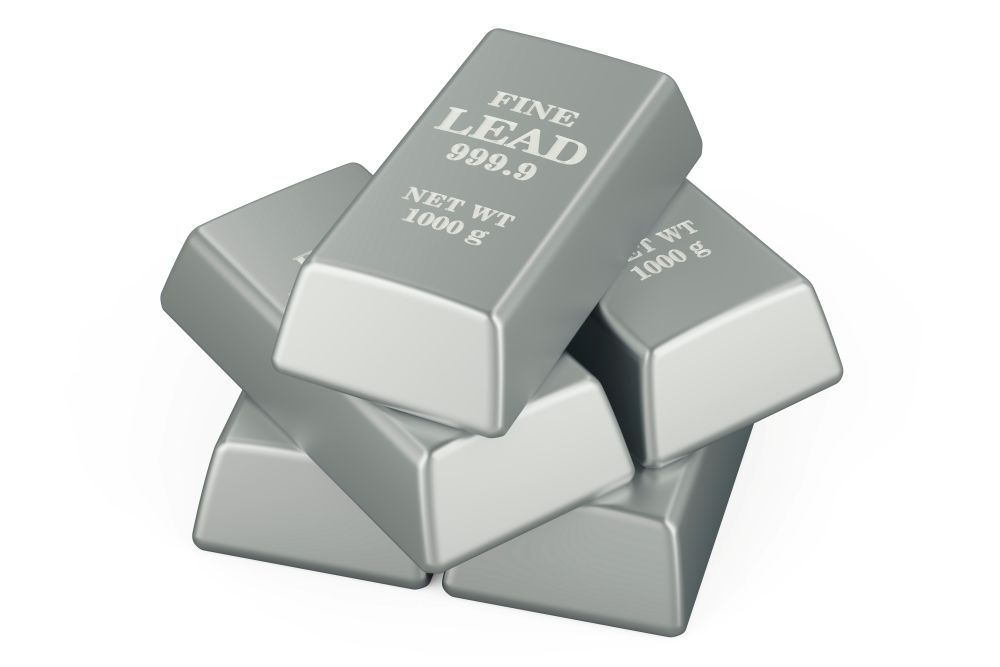
Lead
Lead remains one of the most widely used radiation shielding materials due to its:
- High density
- High atomic number
- Proven performance against X-rays and gamma rays
- Cost-effectiveness
Lead is commonly used in:
- Lead-lined drywall
- Shielded doors
- Radiation enclosures
- Storage containers
While highly effective, lead requires proper handling due to its weight and toxicity.
Lead Composites
Lead composites combine lead with materials such as rubber, vinyl, or plastic. These hybrid materials provide:
- Reduced weight
- Greater flexibility
- Improved comfort for wearable protection
They are frequently used in protective garments like aprons and thyroid shields.
Lead-Free Radiation Shielding Materials
In some applications, alternatives such as tungsten, bismuth, tin, or antimony are preferred. These materials:
- Offer environmental advantages
- Reduce handling concerns
- Maintain strong shielding capabilities
Although often more expensive than lead, they provide valuable options for facilities seeking non-lead solutions.
Concrete and Steel
For large-scale shielding projects, concrete is commonly used. When enhanced with high-density aggregates such as barite or magnetite, concrete becomes highly effective against gamma radiation.
Steel is often incorporated for structural strength and additional attenuation, particularly in industrial and nuclear facilities.
Neutron Radiation Shielding Materials
Neutron radiation behaves differently from electromagnetic radiation. It requires materials that can slow and absorb neutrons effectively.
Water
Water is an excellent neutron moderator and is widely used in nuclear reactors. It serves as both a coolant and a shielding material.
Hydrogen-Rich Concrete
Concrete enhanced with hydrogen-rich additives such as boron or polyethylene improves neutron absorption, making it suitable for reactor shielding and research facilities.
High-Density Polyethylene (HDPE)
HDPE is lightweight, non-toxic, and hydrogen-rich. It is commonly used in:
- Portable shielding systems
- Research laboratories
- Custom neutron shielding panels
Its ease of fabrication makes it a popular solution in environments where flexibility and weight reduction are priorities.
Radiation Shielding Products and Design Solutions
Selecting radiation shielding materials is only part of the equation. Proper design and installation are equally important.
Room Shielding Systems
Entire rooms in hospitals and research labs are often constructed with:
- Lead-lined walls
- Shielded doors
- High-density concrete barriers
These systems prevent radiation from escaping into adjacent areas.
Leaded Glass and Shielding Curtains
In imaging environments, visibility must be maintained without sacrificing safety.
Leaded glass allows technicians to monitor procedures while remaining protected. Shielding curtains provide flexible, movable protection in dynamic environments.
Personal Protective Equipment (PPE)
Protective garments such as lead aprons, gloves, and thyroid collars reduce cumulative radiation exposure for medical and research professionals. Modern designs incorporate lightweight composite materials for improved comfort.
Lead-Lined Containers
Safe handling and transport of radioactive materials require secure containment. Lead-lined containers are designed for:
- Medical isotopes
- Radioactive waste
- Research materials
- Industrial sources
These containers protect personnel and maintain regulatory compliance.
Choosing the Right Radiation Shielding Materials
Selecting appropriate radiation shielding materials depends on:
- Type of radiation
- Energy level
- Exposure duration
- Facility layout
- Regulatory requirements
At MediRay TM Inc., we work closely with engineers, safety officers, and project managers to design shielding systems that balance safety, cost, and performance.
Why Choose MediRay TM, Inc.?
For more than five decades, MediRay TM, Inc. has been a trusted manufacturer of radiation shielding solutions for medical, industrial, and nuclear environments.
Our expertise includes:
- Custom lead shielding systems
- Lead-lined enclosures and containers
- Composite shielding products
- Engineering consultation
- Compliance-focused manufacturing
We are committed to delivering durable, high-performance radiation shielding materials that protect people and critical infrastructure.
Partner with Experts in Radiation Shielding Materials
Radiation safety is not optional. It requires careful planning, expert material selection, and precise engineering.
If you are designing a new facility or upgrading existing protection systems, MediRay TM Inc. is ready to assist.
Contact our team today to discuss your radiation shielding material requirements and discover solutions built for safety, reliability, and long-term performance.
FAQ – Radiation Shielding Materials
What are the most effective radiation shielding materials?
The most effective radiation shielding materials depend on the type of radiation. Lead is highly effective against X-rays and gamma rays due to its high density and atomic number. For neutron radiation, hydrogen-rich materials like high-density polyethylene (HDPE), water, and specialized concrete are commonly used. The best material is selected based on radiation energy level and application requirements.
Why is lead commonly used in radiation shielding?
Lead is widely used because it provides exceptional attenuation of X-rays and gamma radiation. Its density allows it to absorb high-energy radiation efficiently while remaining cost-effective compared to many alternatives. Lead is commonly used in medical imaging rooms, nuclear facilities, and industrial shielding systems.
What materials are used for neutron radiation shielding?
Neutron radiation shielding materials typically include hydrogen-rich substances such as HDPE, water, and borated concrete. These materials slow down and absorb neutrons effectively. In nuclear reactors and research environments, these materials are often combined with structural shielding systems for maximum protection.
Are there lead-free radiation shielding materials available?
Yes, lead-free radiation shielding materials such as tungsten, bismuth, tin, and antimony are available. These alternatives are often selected for environmental or handling considerations. While typically more expensive than lead, they provide strong radiation attenuation and may reduce certain health concerns.
How thick should radiation shielding materials be?
The required thickness depends on the type of radiation, energy intensity, exposure time, and regulatory standards. High-energy gamma rays require thicker and denser shielding than lower-energy radiation. A qualified radiation shielding specialist should calculate thickness requirements to ensure compliance and safety.
Where are radiation shielding materials commonly installed?
Radiation shielding materials are commonly installed in medical imaging rooms, radiation therapy centers, nuclear power plants, industrial testing facilities, research laboratories, and radioactive material storage areas. They may be integrated into walls, doors, viewing windows, containers, or portable shielding systems.