


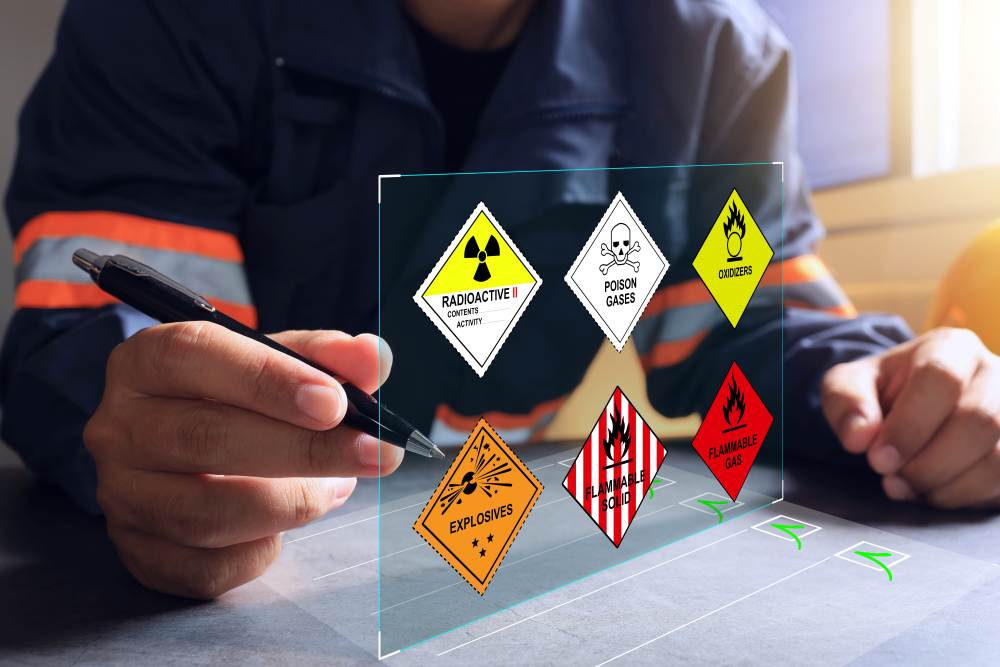
When we’re talking about protecting ourselves from radiation, how we install the protection is just as important as what the shielding is made of. If we want to make sure, we’re safe from radiation in hospitals, factories, and research labs, we need to follow some rules for putting in sheet lead. This is crucial for keeping us safe from harm. If we do it correctly, the sheet lead will block the radiation and keep us safe. But if we mess it up, there could be gaps that let the radiation through. So, it’s essential to get it right to ensure our safety.
In this guide, you’ll learn practical, easy-to-follow steps, common mistakes to avoid, and expert tips to help you install sheet lead safely and correctly—whether you’re working on a new project or upgrading an existing space.
Why Proper Sheet Lead Installation Matters
Sheet lead is widely used for radiation shield:
- X-ray rooms
- CT scan facilities
- Nuclear medicine labs
- Industrial testing environments
The Risk of Poor Installation
Even small mistakes can compromise safety. Gaps, overlaps, or weak joints can allow radiation to leak through, putting staff and patients at risk.
Key Benefits of Good Installation
- Ensures maximum radiation protection.
- Meets regulatory compliance standards.
- Extends the lifespan of protective systems.
- Reduces costly repairs or rework.
Guidelines for Installing Sheet Lead (Step-by-Step)
- Prepare the Surface Properly Before installing sheet lead, make sure the surface is:
- Clean and free of dust or debris.
- Dry and level.
- Structurally thorough.
A smooth surface ensures the lead sheets sit flush, avoiding gaps.
- Measure and Cut Accurately is always critical:
- Measure twice before cutting
- Use proper tools designed for lead
- Account for overlaps at seams
Even minor mistakes can create weak points.
- Overlap Joints is One of the most important rules in sheet lead installation.
- Overlap edges by at least ½ inch (or as specified by regulations)
- Avoid butt joints, which can allow radiation leakage
- Certify constant overlap across all joints
This simple step dramatically expands protective performance.
- Secure Sheets Firmly
Sheet Lead must be securely attached to prevent movement over time. Common methods include:
- Machine-driven fasteners (screws, nails)
- Adhesives designed for lead
- Combination of both for added firmness
Make sure fasteners don’t compromise the integrity of the lead.
- Seal Penetrations and Openings Any openings—such as electrical boxes, pipes, or ducts—must be properly sealed.
Use lead-lined covers to ensure there are no weak spots.
- Examine the Installation Thoroughly
After installation:
- Check for gaps or cock-eyed seams
- Verify proper overlap
- Conduct radiation testing if required
Inspection is your final safety check before the space becomes operational.
Best Practices for Long-Term Performance
Use the Right Lead Thickness
The required thickness depends on the type and intensity of radiation.
Always follow project specifications or regulatory guidelines.
Work with Experienced Installers
Radiation defense isn’t a DIY project for beginners.
Follow Local and International Standards
Compliance with standards from organizations like NCRP or IAEA ensures your installation meets safety requirements.
Common Mistakes to Avoid
Even experienced contractors can overlook key details. Here are the most common issues:
- Skipping overlap at seams
- Improper handling causing lead damage
- Using incorrect fasteners
- Failing to shield penetrations
- Ignoring inspection and testing
Avoiding these mistakes can save time, money, and—most importantly—lives.
The radiation levels went down to safe levels after they fixed the installation with the right overlaps and sealing methods. This situation shows us something important: how well something is installed is just as crucial as the quality of the materials used.
Practical Tips for a Smoother Installation
- Always wear protective gear when handling lead
- Store sheets properly to prevent bending or damage
- Label installed areas for easy inspection
- Coordinate with electricians and plumbers to plan penetrations ahead of time
These small steps can make a big difference in the final result.
FAQ Section
- What are the key guidelines for installing sheet lead? The main guidelines include proper surface preparation, accurate measurement, overlapping seams, secure fastening, and sealing all penetrations.
- Why is overlapping important in sheet lead installation? Overlapping the seams is important. This helps stop radiation from getting through the gaps, so the works all the way across the surface without any weak spots.
- Can sheet lead be installed on any surface? You need to make sure the surface is clean and dry before you put it up, and it has to be strong enough to hold it.
- What thickness of sheet lead should I use? Thickness depends on the type of radiation and project requirements. Always consult regulatory guidelines or an expert.
- Is professional installation necessary? It’s really important to have a professional install thing, so everything is done correctly and safely, and it will last a long time.
- How do you handle openings like electrical boxes? To keep everything safe, any openings need to be covered with special lead-lined covers. This way, protection stays in place all the time.
Conclusion
Following the right guidelines for installing sheet lead is critical for creating a safe, compliant, and effective radiation shielding system. From proper surface preparation to careful seam overlapping and thorough inspection, every step plays a role in protecting people and facilities.
If you’re planning a project or upgrading an existing space, don’t leave anything to chance. Work with experienced professionals, use high-quality materials, and follow proven best practices.
Need help with your project? Reach out to a trusted expert or supplier today to ensure your installation meets the highest safety standards.